-
#1 Nok Bay Coffee Hong Kong Dark Roast Premium Italian Blend Specialty Coffee Beans Rich and Mellow, Rich Crema, Freshly Roasted within 7 Days, Caramel Chocolate Nut Flavor, 1kg, Corporate, Food Service, Specialty Blend Coffee Beans
Regular price From HK$118.00Regular priceUnit price perHK$228.00Sale price From HK$118.00Sale -
#6 Nok Bay Coffee Hong Kong Roasted Fruity SOE Single Origin Espresso Beans 100% Arabica Ethiopia Medium-Dark Roast
Regular price From HK$118.00Regular priceUnit price perHK$138.00Sale price From HK$118.00Sale -
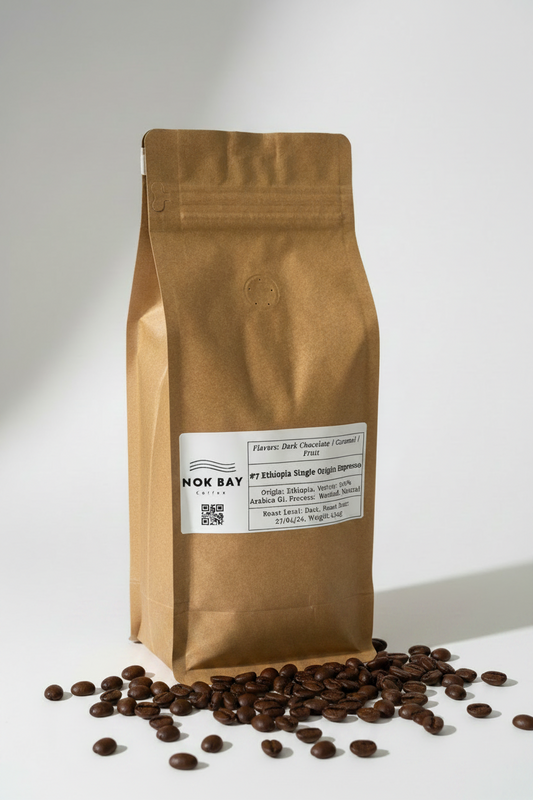
#7 Nok Bay Coffee Hong Kong Local Roasters Ethiopia · Classic SOE | Dark Roast Fruity Aroma Chocolate High Sweetness Low Acidity Espresso Beans
Regular price From HK$118.00Regular priceUnit price perHK$138.00Sale price From HK$118.00Sale -
#2 Nok Bay Coffee Hong Kong Local Roast Espresso Blend Coffee Classic Intercontinental Blend | Caramel Chocolate with Fruity and Floral Notes Specialty Italian Blend Coffee Beans Medium Dark Roast
Regular price From HK$118.00Regular priceUnit price perHK$148.00Sale price From HK$118.00Sale -
#4 Nok Bay Coffee Hong Kong Roasted Espresso Dark Fantasy, Shimmering Italian Blend, Dark Roast (Fruity Rum Flavor) Specialty Italian Coffee Beans
Regular price From HK$118.00Regular priceUnit price perHK$138.00Sale price From HK$118.00Sale -
YOUR GIFT, YOUR BREW. Hong Kong Roasted Coffee Beans - Customizable Drip Bag Coffee Gift Box | Exclusive Design, Perfect for Gifting, Corporate Orders, Wedding Favors, Event Gifts
Regular price From HK$13.00Regular priceUnit price per